Stewarding PPI for the Long Term
Continuity sustains the people, knowledge, relationships,
and operating discipline that allow PPI’s mission to endure.

Continuity sustains the people, knowledge, relationships,
and operating discipline that allow PPI’s mission to endure.
PPI pairs a high-touch member experience with careful stewardship of leadership, finances, operations, institutional knowledge, and relationships. This work gives members confidence that PPI can deliver consistently, respond thoughtfully to change, and preserve its educational purpose, independence, and distinctive culture.
Explore Programs

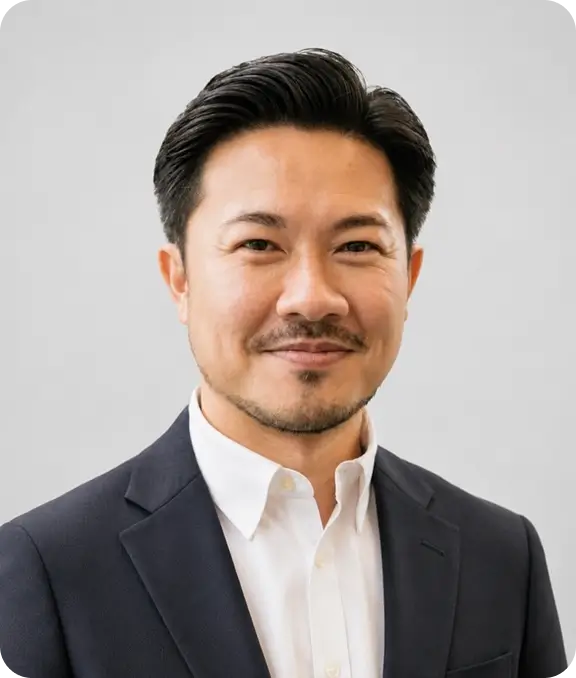

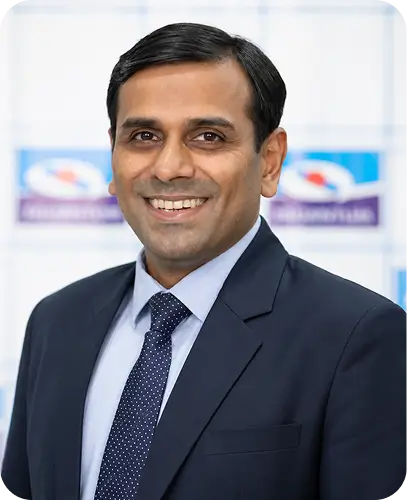
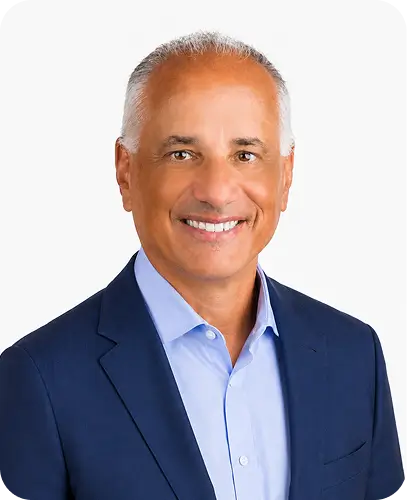
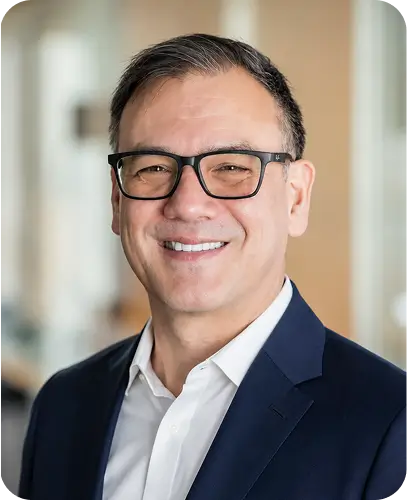







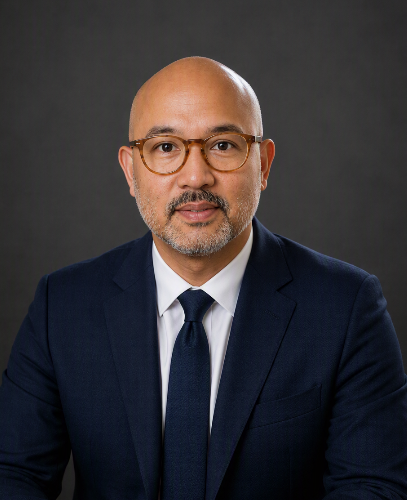
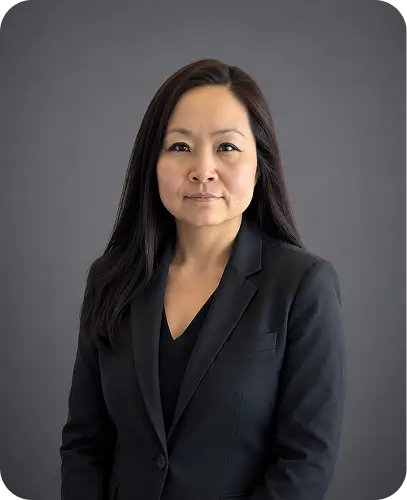


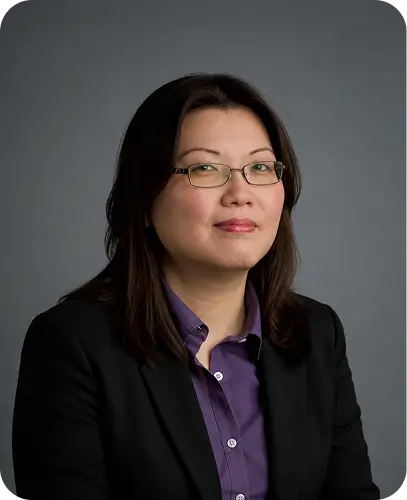


While the Pacific Pension & Investment Institute (PPI) was incorporated as an educational nonprofit in 1998, the PPI Community traces its origins to the early 1990s. At his home in Agate Beach, Oregon, founder H. Lawrence Hull, Jr., began convening a small group of senior institutional investment peers who shared a commitment to serving their beneficiaries and an interest in emerging opportunities across Asia and the Pacific Rim.
Over nearly 35 years, that circle has grown into a global community while retaining the qualities that defined its earliest gatherings: thoughtful curation, substantive learning, candid exchange, and relationships built over time. PPI's Asia-Pacific roots remain central to its identity, even as its membership and agenda have become increasingly global.
A Strong Tradition. A Powerful Perspective
The origins of PPI through 2018
PPI at 25 and Beyond
Celebrating PPI’s 25th Anniversary in 2018
PPI Pioneers
Facing the Challenges of the COVID-19 Pandemic
The 2025 Annual Report of the Pacific Pension & Investment Institute (PPI) details our finances and operations as required by the State of California. It reflects a year marked by increased complexity for institutional investors, and I am pleased to share it with you.
In 2025, investors faced tariff uncertainty, geopolitical tensions, and a shifting interest rate environment. These forces challenged assumptions and emphasized the importance of open, honest conversations among peers with shared fiduciary duties.
Across our programs, members explored the implications of artificial intelligence and data center infrastructure, and supply-chain realignment, along with ongoing questions about portfolio resilience, private market development, and capital deployment in the Asia-Pacific region. These discussions were rooted in real-world decision-making.

PAGES